AI Isn't Going to Replace You
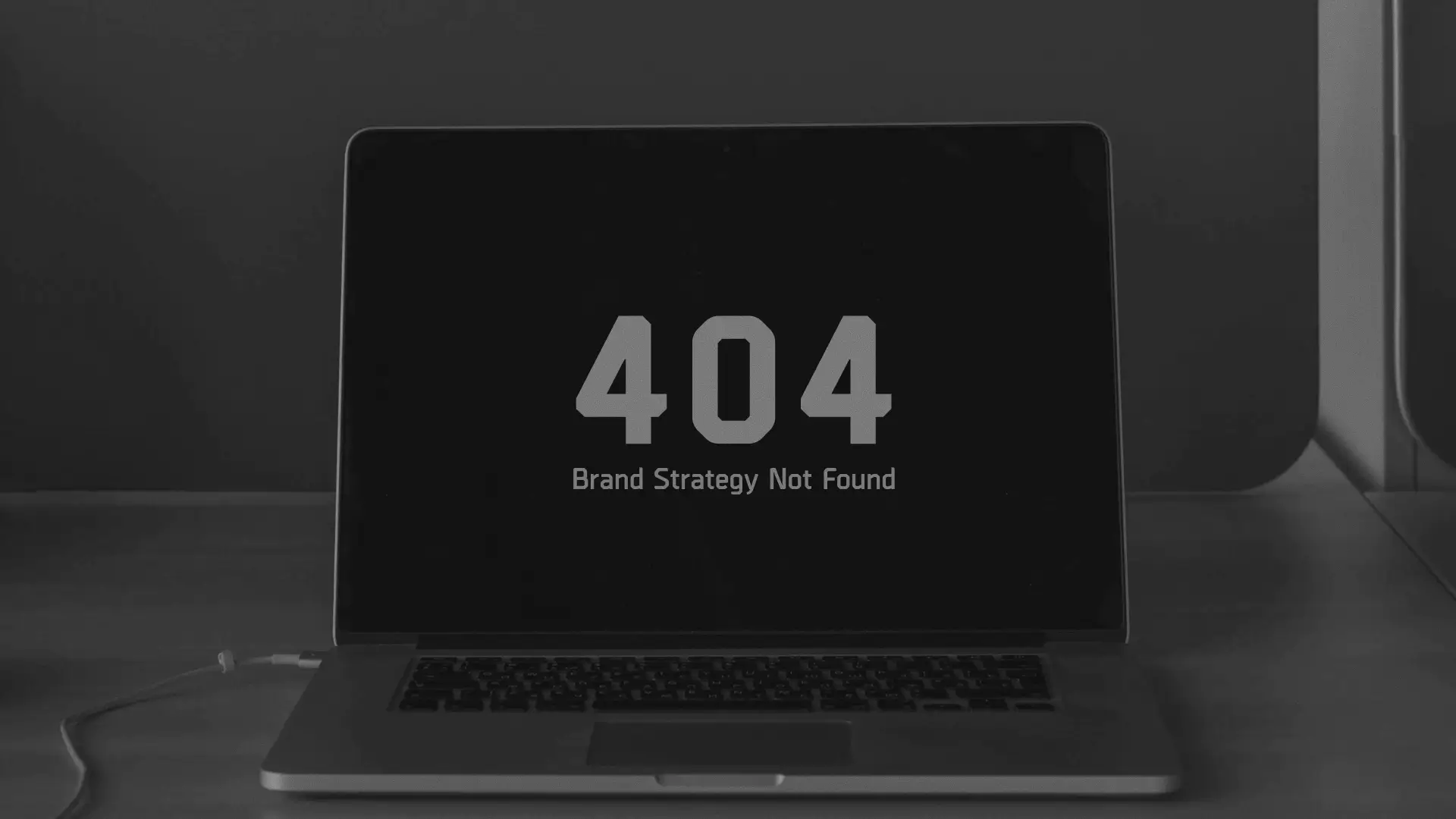
What AI Layoffs Actually Reveal About a Brand
It's all over the news. Another multi-billion-dollar corporation has eliminated 15,000 jobs "because of AI." The reaction depends entirely on where you're getting your information with some outlets celebrating the efficiency gains and what it means for profit margins, others counting the human cost of 15,000 families losing income in one of the hardest job markets in recent memory.
Neither reaction tells the full story. And that's exactly the point.
Nothing in this conversation is black and white. So rather than add another reactionary take to the pile, I want to look at this trend from the standpoint of branding. What do these decisions actually reveal, and what can designers and the businesses they serve learn from it?
What a Company Does Is What a Company Is
As brand designers and strategists, we spend a lot of time helping businesses define who they are, what they stand for, why they exist, and where they want to go. That work matters. But from a pure brand standpoint, none of it means anything without one thing: what they actually do.
Messaging, positioning, mission statements, these are all expressions of intent. Behavior is the proof. And when a massive corporation cuts a significant percentage of its workforce in the name of "efficiency," it tells the market exactly what its brand has become. More importantly, it clarifies what that brand can no longer credibly claim to be.
The Claims That No Longer Hold
When a company makes this kind of move, several brand promises collapse at once.
They can no longer claim to be a great place to work. The message sent to every remaining employee, and every future candidate, is clear: if eliminating your role generates a positive impact on the quarterly number, that's what will happen. That's not a workplace culture. That's a transaction.
They can no longer claim to be innovative in any meaningful sense. At no additional cost, these companies could have kept their people, equipped them with AI tools, and freed them from the repetitive work AI handles well, creating space for the kind of thinking and problem-solving that actually drives innovation. Instead, the innovation was finding a faster path to short-term margin improvement. That's optimization, not vision.
They can no longer claim to prioritize their product or their users. Bare-bones operational efficiency and quality product development are not compatible pursuits. For many of these tech companies, this moment is also an admission of something larger: that the business has quietly pivoted away from the product that built their audience, toward the valuable data that audience generates. The product was always the means. The data was always the end.
They can no longer claim that their "why" extends beyond revenue. Connecting the world, advancing technology, improving lives, these are powerful brand narratives. But when the decisions don't reflect them, they become liabilities. The gap between what a company says it stands for and what it demonstrably does is where brand trust goes to die.
What This Means for the Rest of Us
These are extreme examples, but the underlying pattern shows up at every scale. A brand is not what you say it is. It's the accumulated weight of every decision you make, especially the hard ones.
This is why the work of getting to the core of who a client actually is matters so much. Not just what they want to be known for, but what they're genuinely willing to stand behind when things get uncomfortable. When growth slows. When a shortcut presents itself. When the efficient choice and the right choice aren't the same thing.
The most dangerous client isn't one who has a weak brand story. It's one who has a compelling brand story they're not actually committed to living. Especially now, when so many businesses are racing to position themselves as the next great AI company, or biotech innovator, or category disruptor -- the ambition is easy. The alignment is the hard part.
What Good Brand Alignment Actually Looks Like
A brand that holds up under pressure isn't built on aspirational language. It's built on decisions that are consistent with stated values even when consistency is costly.
That looks like a company that invests in its people during a period of technological change rather than replacing them with it. It looks like a product organization that slows down to get the user experience right rather than shipping to hit a revenue milestone. It looks like a founder who turns down growth that would compromise what they built the business to be.
These aren't abstract ideals. They're strategic choices, and they compound over time in the same way that brand erosion does. Every decision either builds the brand or spends it.
Our job as designers and strategists is to make sure our clients understand that distinction before they need to. To ask the questions that surface the real values, not just the aspirational ones. And to build brand frameworks that are grounded in who they actually are, so that when the hard decisions come, the brand isn't something they have to be reminded to protect. It's something they're already living.
That can be the difference between a brand that leads and inspires, and one that becomes a cautionary tale. In the end, we can’t control the decisions a company makes for its future. But we can play a role in defining a path forward that is true to their values and their stated mission.